
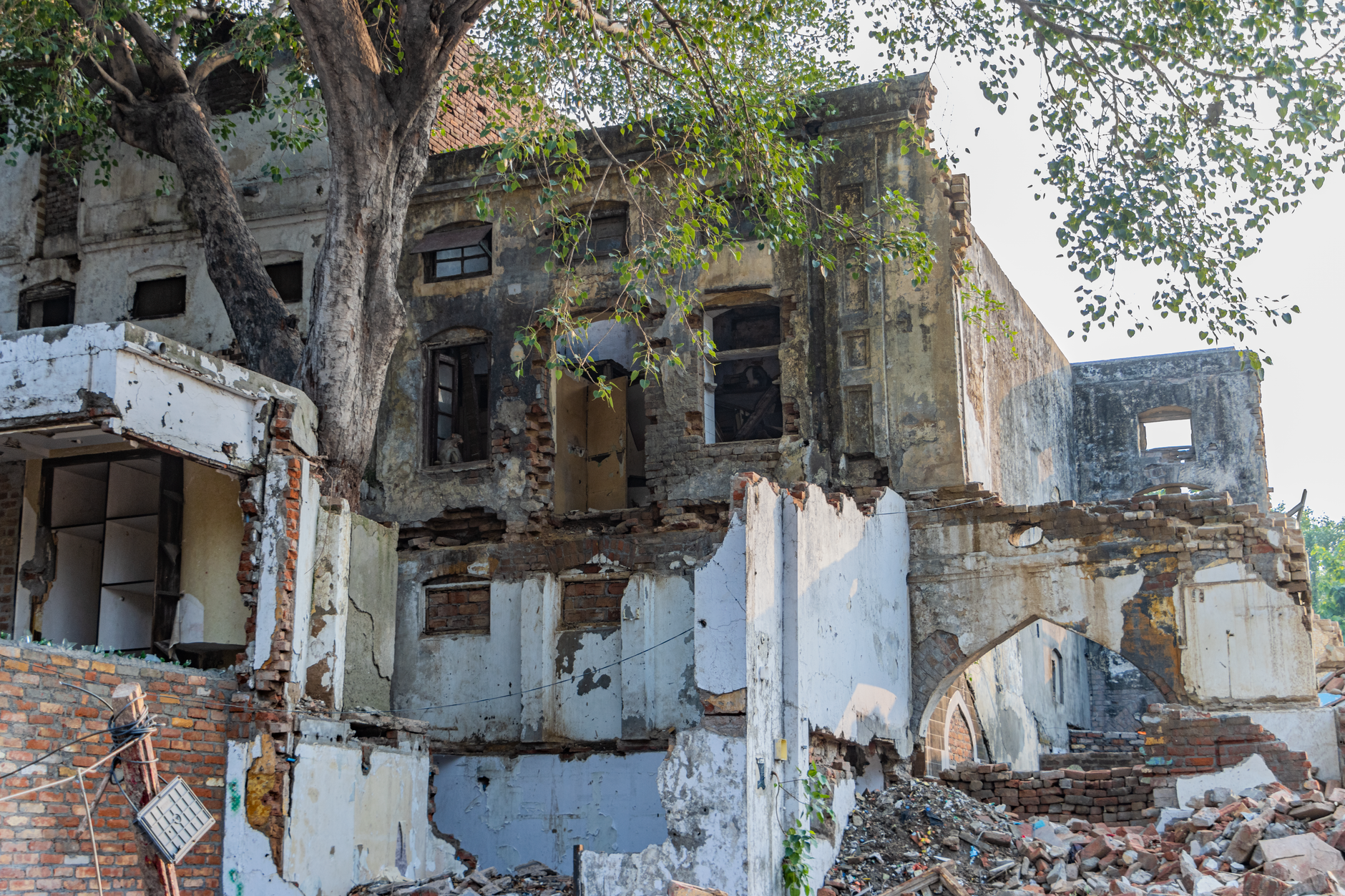
Delhi building collapse has raised serious concerns among residents. In response, the government has announced strict measures to hold those responsible accountable.
Overview of the Incident
A tragic incident occurred in Delhi when a building collapsed in the Satya Niketan area, leading to significant loss of life and injuries. The incident has raised serious concerns about building safety standards in the city. Eyewitnesses reported hearing a loud noise shortly before the structure gave way, causing panic among residents and passersby.
The Chief Minister of Delhi has vowed to take strict action against those responsible for the building collapse. In a statement, he emphasized that the government would not tolerate negligence in construction practices. “Those guilty will not be spared,” he asserted, highlighting the urgency of addressing safety regulations in the city.
In the wake of this tragedy, the Delhi government has announced a series of measures aimed at preventing similar incidents in the future. These include:
- Conducting thorough inspections of existing structures.
- Implementing stricter building codes.
- Establishing accountability for building inspectors and contractors.
The Delhi building collapse serves as a grim reminder of the importance of maintaining safety standards in urban development.
Government’s Response to the Collapse
In response to the tragic Delhi building collapse, Chief Minister Arvind Kejriwal has pledged that the government will take stringent measures to ensure accountability and prevent future incidents. The Satya Niketan collapse, which resulted in multiple casualties, has raised serious concerns about building safety regulations in the capital.
The Chief Minister stated that a thorough investigation will be conducted to identify those responsible for the structural failure. He emphasized that individuals found negligent in their duties will face severe consequences. “We will not spare anyone who is responsible for this disaster,” Kejriwal asserted during a press conference, highlighting the government’s commitment to uphold safety standards.
Additionally, the government plans to implement the following actions:
- Immediate inspections of all buildings in high-risk areas.
- Strengthened regulations for construction permits and inspections.
- Greater accountability for local authorities overseeing building safety.
The government’s decisive response aims to restore public confidence in the safety of buildings across Delhi.
Safety Regulations in Delhi
In the wake of the recent Delhi building collapse, authorities are placing renewed emphasis on the enforcement of safety regulations across the city. Chief Minister Arvind Kejriwal has expressed his commitment to ensuring that all buildings comply with established safety standards to prevent further tragedies.
To address these concerns, the government is planning to implement a series of measures aimed at reinforcing building safety protocols, including:
- Stricter inspections: Regular assessments of building structures will be mandated to ensure compliance with safety regulations.
- Licensing for builders: Only licensed professionals will be allowed to undertake construction projects, with stringent penalties for violations.
- Public awareness campaigns: Initiatives to educate citizens about the importance of safety standards and how to report unsafe buildings.
- Collaboration with experts: Engaging with engineers and architects to develop guidelines for safe construction practices.
These initiatives aim to enhance the overall safety of structures in Delhi and to ensure that incidents like the recent building collapse do not happen again.
Public Reaction to the Measures
The recent Delhi building collapse has sparked a wave of public reaction, with many citizens expressing their concerns over safety regulations and enforcement in the city. Local residents gathered at the site, voicing their grievances and calling for immediate reform to prevent such tragedies in the future.
One resident, Anjali Sharma, stated, “We need to see real change. It’s not just about promises; it’s about action. Lives were lost, and it’s heartbreaking to think it could happen again.” Others echoed her sentiments, emphasizing the necessity for stricter building codes and regular inspections.
Social media platforms have also been flooded with comments and hashtags demanding accountability. Many users criticized the government for its perceived negligence and lack of oversight, urging authorities to ensure that those responsible for the Delhi building collapse are held accountable.
In response to the growing unrest, the Chief Minister reiterated his commitment to enforcing stricter measures, assuring the public that “those guilty will not be spared.”
Historical Context of Building Safety
The issue of building safety in Delhi has been a growing concern, particularly in light of the recent Delhi building collapse. Historically, the city has faced numerous incidents related to inadequate construction practices and regulatory oversight. Many buildings, especially in older neighborhoods, are often constructed without adherence to established safety protocols.
In the past decade, several notable collapses have raised alarms among residents and authorities alike. These incidents have highlighted the need for stricter enforcement of building codes and improved inspection processes. Previous tragedies have led to temporary measures, but long-term solutions have often been sidelined.
Furthermore, the rapid urbanization of Delhi has exacerbated the problem, with a surge in demand for housing leading to hasty constructions that prioritize speed over safety. Many structures are built with substandard materials, which compromises their integrity and stability.
As the government responds to the recent collapse, it faces the challenge of implementing lasting reforms to ensure that safety measures are not just enforced but also respected, preventing future tragedies in the capital.
Future Implications for Urban Development
The recent Delhi building collapse has sparked a renewed discussion on urban development and safety regulations. In light of this tragic incident, experts emphasize the need for a comprehensive reevaluation of construction practices in the capital.
Many urban planners are advocating for stricter enforcement of building codes and a more rigorous inspection process to prevent future occurrences. They argue that the current standards are often inadequately applied, leading to unsafe structures that jeopardize public safety.
The implications of this collapse extend beyond immediate safety concerns. It raises questions about the sustainability of urban growth in Delhi, highlighting the need for:
- Improved regulatory frameworks that prioritize safety over speed in construction.
- Enhanced training for builders and contractors to ensure compliance with safety standards.
- Public awareness campaigns to educate citizens about the importance of reporting structural concerns.
Ultimately, the Delhi building collapse serves as a critical reminder that urban development must be approached with caution and responsibility.
Key Takeaways from the Announcement
The recent Delhi building collapse has raised significant concerns about safety regulations and urban planning in the capital. Following the tragic incident, Chief Minister Arvind Kejriwal made several key announcements aimed at preventing future occurrences. Here are the key takeaways from his address:
- Immediate Investigation: A thorough investigation will be launched to determine the cause of the collapse and identify those responsible.
- Accountability Measures: The Chief Minister emphasized that individuals found guilty of negligence will face strict penalties.
- Strengthened Regulations: New safety regulations will be introduced, focusing on the structural integrity of buildings in Delhi.
- Public Awareness Campaigns: The government plans to implement awareness programs to educate citizens about building safety and their rights.
- Regular Inspections: Increased frequency of inspections for older buildings will be mandated to ensure compliance with safety standards.
These measures aim to restore public confidence in the safety of urban structures and prevent tragedies like the recent Delhi building collapse.
Photo by Shantum Singh on Pexels