
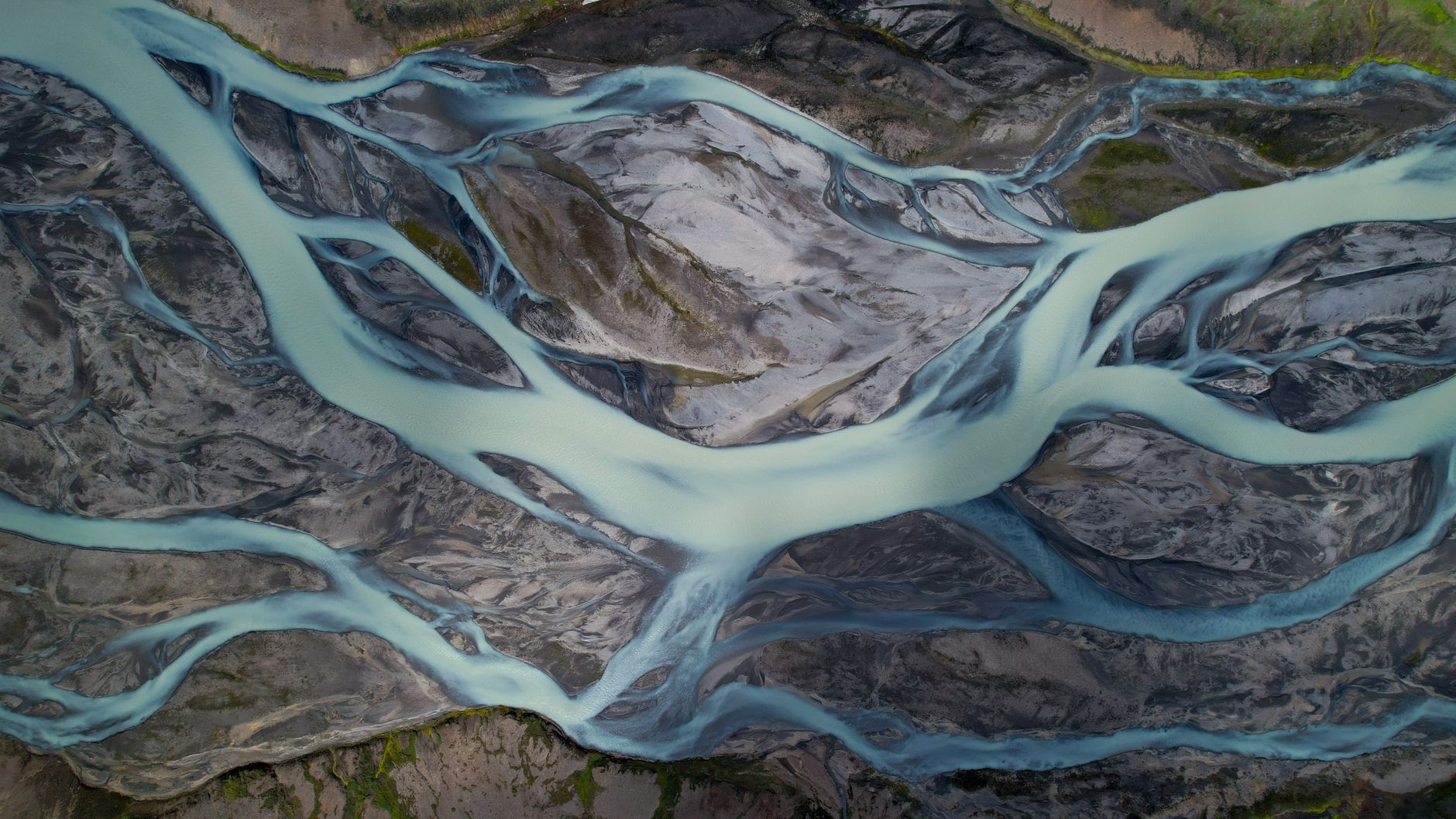
Arctic rivers erosion is defying what scientists thought they knew about the processes of erosion in these critical ecosystems. Recent findings are reshaping our understanding of these vital waterways.
Understanding Erosion in Arctic Rivers
Erosion in Arctic rivers is a complex and dynamic process that has significant implications for the environment and climate change. Traditionally, scientists believed that the permafrost would slow erosion rates, but recent studies indicate otherwise. Instead, Arctic rivers erosion is occurring at an alarming pace, reshaping landscapes and affecting ecosystems.
Key factors contributing to this rapid erosion include:
- Climate change: Rising temperatures are thawing permafrost, increasing sediment flow into rivers.
- Hydrology changes: Altered water levels from melting ice and snow are intensifying erosion.
- Vegetation loss: The decline of stabilizing plant life exacerbates soil vulnerability.
As these processes unfold, understanding erosion in Arctic rivers becomes crucial for developing effective conservation strategies and anticipating broader environmental impacts.
Recent Discoveries in River Dynamics
Recent studies have revealed significant changes in the dynamics of Arctic rivers, challenging long-held beliefs about their erosion patterns. Scientists are now observing that these rivers are undergoing rapid alterations due to climate change, which is leading to increased erosion rates.
Key findings include:
- Increased Flow Rates: Many Arctic rivers are experiencing higher flow rates, which contribute to accelerated erosion.
- Permafrost Thawing: The thawing of permafrost is destabilizing riverbanks, making them more susceptible to erosion.
- Altered Sediment Transport: Changes in vegetation and water temperature are affecting how sediments are moved downstream.
These discoveries not only enhance our understanding of Arctic rivers erosion but also underscore the need for further research to assess their broader environmental impacts.
The Role of Climate Change
Climate change has significantly altered the landscape of Arctic rivers, leading to unprecedented erosion patterns. As temperatures rise, the thawing permafrost contributes to the destabilization of riverbanks, making them more susceptible to erosion. This process has profound implications for the ecosystems and communities that rely on these waterways.
Scientists are now observing that Arctic rivers erosion is not just a gradual process; it can occur rapidly due to increased rainfall and melting ice. The resulting sediment displacement affects water quality and habitat for aquatic species. Furthermore, the erosion alters the flow dynamics of rivers, prompting researchers to reevaluate their understanding of how these systems function.
The urgency to study these changes is critical, as they may offer insights into broader environmental shifts and the long-term impacts of climate change on global water systems.
Implications for Local Ecosystems
The erosion of Arctic rivers carries significant implications for local ecosystems, reshaping habitats and affecting biodiversity. As Arctic rivers erosion progresses, the delicate balance of these environments is threatened.
Key impacts include:
- Altered habitats: Erosion changes riverbanks and sediment distribution, impacting species that rely on specific habitats for breeding and feeding.
- Water quality: Increased runoff from eroded banks can lead to higher levels of pollutants and sediments, which may harm aquatic life.
- Carbon release: As permafrost erodes, stored carbon is released into the atmosphere, contributing to climate change and further affecting local ecosystems.
Ultimately, understanding Arctic rivers erosion is crucial for developing strategies to mitigate its effects on these fragile ecosystems and preserve their natural balance.
Historical Perspectives on Erosion
The erosion of Arctic rivers has a rich history that reveals the changing landscape over centuries. Historically, scientists believed that erosion rates in these regions were stable and predictable. However, recent studies challenge this notion, highlighting that Arctic rivers are experiencing unprecedented changes.
Key historical insights include:
- Early Observations: Initial studies in the late 20th century focused on sediment transport and its effects on river morphology.
- Climatic Influences: The warming climate has intensified erosion, leading to rapid alterations in riverbanks and sediment deposition.
- Technological Advances: Modern satellite imagery and remote sensing have allowed researchers to track erosion patterns more accurately than ever before.
These historical perspectives on Arctic rivers erosion underscore the importance of adapting scientific models to reflect the dynamic changes occurring in these fragile ecosystems.
Future Research Directions
As scientists continue to unravel the complexities of Arctic rivers erosion, several future research directions have emerged. Key areas of focus include:
- Enhanced Monitoring: Utilizing advanced technologies such as satellite imagery and drones to track erosion patterns in real-time.
- Modeling Erosion Processes: Developing sophisticated models to predict the impact of varying climate scenarios on river dynamics.
- Impact on Carbon Cycling: Investigating how changes in river erosion affect the carbon release from permafrost and its implications for global warming.
- Local Community Engagement: Collaborating with indigenous communities to incorporate traditional ecological knowledge into research.
By exploring these avenues, researchers aim to gain a comprehensive understanding of Arctic rivers erosion and its broader implications for both science and local ecosystems.
Conclusion and Key Takeaways
In conclusion, the phenomenon of Arctic rivers erosion presents significant challenges and revelations for both scientists and local communities. As previously understood models are being challenged by new data, it is clear that our comprehension of river dynamics in this region is evolving. The implications of these changes extend beyond mere academic interest; they affect local ecosystems, water quality, and the livelihoods of communities that depend on these rivers.
Key takeaways from recent studies include:
- Erosion rates are accelerating due to climate change.
- New insights reveal unexpected patterns in sediment transport.
- Future research will be crucial in addressing the ecological and social impacts.
Overall, ongoing studies in Arctic rivers erosion will continue to reshape our understanding and responses to environmental changes.
Photo by Björn Austmar Þórsson on Pexels