
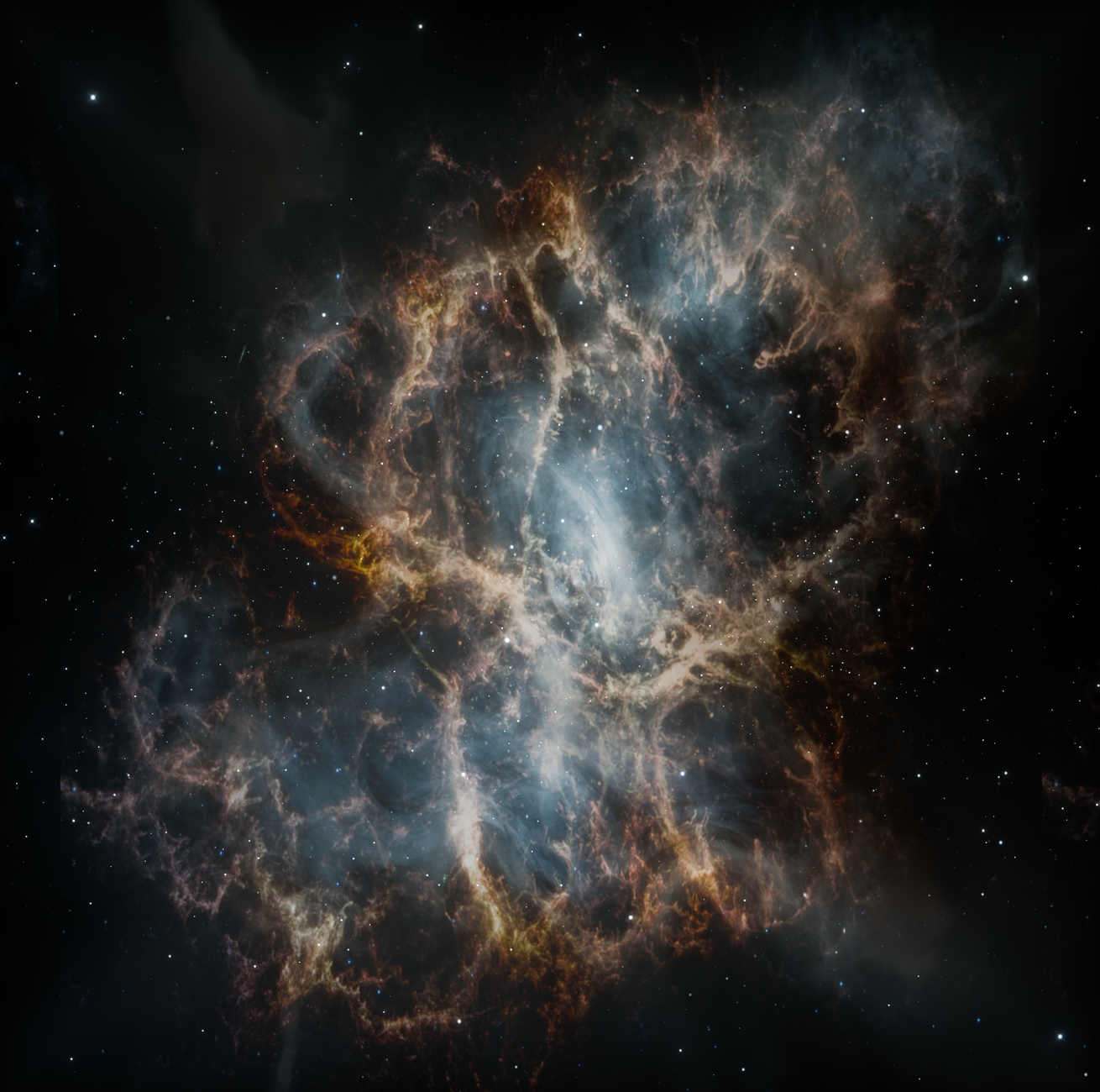
ghost particles supernova are changing our understanding of stellar evolution. Recent findings suggest these elusive particles could reveal which stars explode as supernovae and which collapse into black holes.
What Are Ghost Particles?
Ghost particles, also known as neutrinos, are elementary particles that are incredibly elusive and interact very weakly with matter. This property makes them challenging to detect, earning them the nickname “ghost.” These particles are produced in vast quantities during extreme astrophysical events, such as supernovae.
When a massive star reaches the end of its life cycle, it undergoes a supernova explosion, releasing an enormous amount of energy and ejecting its outer layers into space. During this process, ghost particles are emitted in great numbers, carrying vital information about the star’s core and the dynamics of the explosion.
Researchers believe that studying these ghost particles can provide insights into which stars are likely to explode as supernovae and which will collapse into black holes instead. This understanding could reshape our knowledge of stellar evolution and the fate of massive stars in the universe.
In summary, ghost particles from supernovae are not just fascinating entities; they may hold the key to unlocking the mysteries of stellar phenomena and the lifecycle of stars.
The Role of Supernovae
Supernovae play a crucial role in the lifecycle of stars, marking the explosive end of massive stars. When a star exhausts its nuclear fuel, it can no longer support itself against gravitational collapse. This results in a catastrophic explosion, ejecting vast amounts of material into space.
These cosmic events are not only spectacular but also have significant implications for the formation of elements and the evolution of galaxies. As supernovae explode, they disperse heavy elements, enriching the interstellar medium and contributing to the birth of new stars.
Recent research has shifted focus to the elusive ghost particles, or neutrinos, generated during supernovae. These particles can traverse vast distances without interacting with matter, making them invaluable for studying the processes occurring in the core of exploding stars. Understanding the behavior of ghost particles could provide insights into the mechanisms that determine whether a star will end its life as a supernova or collapse into a black hole.
By analyzing the flavor-changing properties of these ghost particles, astronomers hope to unlock the mysteries surrounding stellar deaths and the formation of black holes, enhancing our understanding of the universe.
How Black Holes Form
Black holes form from the remnants of massive stars that undergo a supernova explosion. When a star exhausts its nuclear fuel, it can no longer support itself against gravitational collapse. The core contracts, leading to an increase in temperature and pressure, eventually triggering a supernova. During this violent event, the outer layers of the star are expelled, leaving behind a dense core.
Depending on the mass of the core, different outcomes are possible. If the core is below a certain mass, it may become a neutron star. However, if the core’s mass exceeds the Tolman-Oppenheimer-Volkoff limit, it collapses further, resulting in the formation of a black hole. This process is critical for understanding the lifecycle of stars and the universe itself.
Recent research into flavor-changing ghost particles may provide insights into these processes. By studying the behavior of these elusive neutrinos emitted during supernovae, scientists hope to reveal which stars will ultimately explode and which will collapse into black holes. This could pave the way for a deeper understanding of stellar evolution and the mysteries of the cosmos.
Recent Discoveries in Astrophysics
Recent advancements in astrophysics have shed light on the enigmatic nature of ghost particles, particularly in relation to supernovae. Scientists have been increasingly utilizing these elusive particles, known as neutrinos, to deepen their understanding of stellar evolution and the processes leading to supernova explosions.
One significant breakthrough involves the detection of flavor-changing neutrinos emitted during stellar events. Researchers believe these ghost particles could help pinpoint which stars are likely to undergo a supernova and which may collapse into black holes. This distinction is crucial for understanding the lifecycle of stars and the dynamics of our universe.
Key findings include:
- Neutrino detection technology: Improved instruments have enhanced the ability to observe ghost particles from distant supernovae.
- Flavor oscillation: The study of how neutrinos change flavors offers insights into their properties and interactions.
- Supernova triggers: Identifying specific triggers that lead to supernova explosions can refine models of stellar death.
As researchers delve deeper into the world of ghost particles, the mysteries of supernovae and their implications for cosmic phenomena become increasingly clear.
Implications for Stellar Evolution
The recent findings regarding ghost particles have profound implications for our understanding of stellar evolution. By studying these elusive neutrinos emitted during supernova explosions, scientists can gain insights into the life cycles of stars and the conditions that lead to their dramatic ends.
One significant aspect of this research is the ability to differentiate between stars that end their lives as supernovae and those that collapse into black holes. This distinction is crucial for developing accurate models of stellar evolution. The observations of ghost particles can help identify the specific processes and environments that influence these outcomes.
Moreover, the insights gained from ghost particles can lead to a better understanding of:
- The mechanisms behind supernova explosions.
- The formation and characteristics of black holes.
- The role of mass, composition, and rotation in stellar deaths.
As astronomers continue to explore these ghost particles, they may unlock the secrets of the cosmos, shedding light on the life and death of stars in ways previously thought impossible.
Future Research Directions
As the field of astrophysics continues to evolve, future research directions are increasingly focusing on the enigmatic ghost particles emitted during supernova events. These neutrinos provide a unique opportunity to deepen our understanding of stellar evolution and the life cycles of stars.
Researchers are poised to explore several key areas:
- Detection Techniques: Advancements in neutrino detection technology will enhance our ability to capture data from supernovae, allowing for more precise measurements of ghost particles.
- Linking Neutrinos and Stellar Outcomes: Understanding the correlation between ghost particles and the specific types of stars that transition into supernovae or black holes could lead to breakthroughs in predicting stellar fates.
- Cosmic Ray Contributions: Investigating the relationship between ghost particles and cosmic rays may reveal how supernovae contribute to the overall cosmic environment, influencing star formation in galaxies.
- Theoretical Models: Developing new models that incorporate ghost particles into stellar evolution theories will further clarify the processes underlying supernova explosions.
Ultimately, these research directions will pave the way for a clearer understanding of the cosmos and the lifecycle of stars.
The discovery of ghost particles supernova has opened new avenues for astrophysical research. By studying these elusive particles, scientists hope to unravel the mysteries surrounding the life cycles of stars.
Photo by Iceberg San on Pexels
Where this came from
Related reading
Apple CarPlay audio quality: Best tips for clear sound · Nintendo Switch 2 Announcement: Best Proven Deals Inside · Is DeepMind Global Institute the Best Move for AI?