
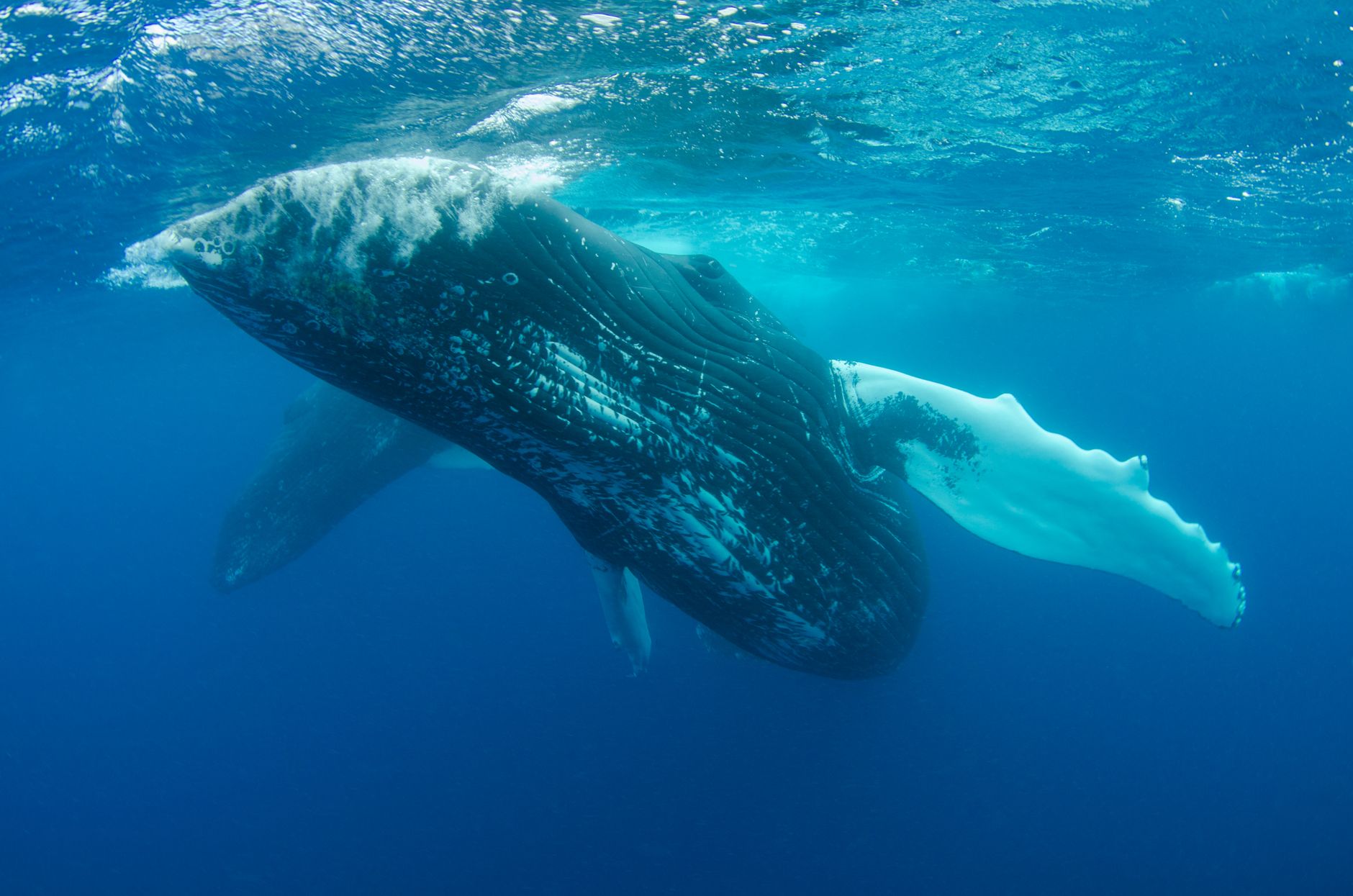
Humpback whales communication has become a fascinating topic among researchers. Recent observations suggest these majestic creatures may be attempting to send messages to humans, raising questions about their intentions and intelligence.
Understanding Humpback Whales
Humpback whales are renowned for their complex communication methods, which have captivated researchers and marine enthusiasts alike. These magnificent creatures utilize a variety of sounds, including songs, grunts, and moans, to convey messages within their pods and potentially to other species.
Understanding humpback whales’ communication is crucial for uncovering their social behavior and migration patterns. Scientists believe that these vocalizations serve multiple purposes:
- Mating Calls: Male humpbacks are known for their elaborate songs during the breeding season, which may attract females or establish dominance among rivals.
- Social Interaction: Whales communicate with each other to maintain social bonds and coordinate group activities, such as feeding.
- Navigation: Their vocalizations could also play a role in navigating their surroundings, especially in the depths of the ocean.
- Alerting Others: Humpbacks may use specific sounds to warn fellow whales of potential threats, such as predators or human activities.
Researchers are increasingly exploring the idea that humpback whales might be attempting to communicate with humans, raising intriguing questions about their intelligence and the depth of their social structures. By studying their communication, we may gain insights into what these gentle giants are trying to say.
The Science Behind Whale Songs
Humpback whales are known for their complex communication methods, primarily through their distinctive songs. These vocalizations serve various purposes, including attracting mates, marking territory, and perhaps even conveying information about their surroundings. The science behind whale songs reveals much about the social structure and behaviors of these magnificent creatures.
Researchers have identified several key characteristics of humpback whale communication:
- Duration: Whale songs can last for up to 20 minutes, with some repeating sequences being observed for hours.
- Frequency: The sounds produced range from low-frequency moans to high-pitched calls, which can travel vast distances underwater.
- Variability: Each population of humpback whales has its unique song patterns, which evolve over time, suggesting a form of cultural transmission.
Studies have also indicated that these songs may play a role in social bonding among whales. As they migrate and gather in feeding grounds, the communication helps them coordinate their activities, such as hunting or breeding. Understanding the nuances of humpback whales communication could provide insights into their social interactions and perhaps even hints at what they might be trying to convey to humans. As researchers continue to study these marvels of the ocean, the mystery of their songs deepens, inviting us to listen more closely.
What Messages Might They Convey?
Humpback whales are known for their complex communication methods, and researchers believe they may convey a variety of messages through their songs and calls. These vocalizations are not only beautiful but serve several important functions within their social structures.
Some potential messages conveyed by humpback whale communication include:
- Mating calls: During breeding season, males sing to attract females, showcasing their health and vitality.
- Social bonding: Whales use sounds to strengthen relationships within pods, facilitating cooperation and nurturing among family members.
- Navigation signals: Whales may utilize sound to communicate their location to others, aiding in migration and travel over vast distances.
- Alarm calls: In the presence of predators, such as orcas, humpback whales can produce specific sounds to alert others in their group.
- Feeding techniques: Certain calls may indicate hunting strategies or coordinated feeding efforts, particularly when bubble net feeding is involved.
As researchers continue to study these fascinating creatures, the nuances of humpback whales communication may reveal even deeper insights into their social lives and interactions. Understanding these messages not only enhances our appreciation of these majestic animals but also highlights the importance of their conservation.
Human Response to Whale Communication
As researchers delve deeper into the world of humpback whales communication, the interactions between these majestic creatures and humans have become a focal point of study. Observations indicate that humpback whales may engage in a form of communication that could extend beyond their pods and into the human realm.
Several instances have been documented where humpback whales seem to respond to human presence in the water. This response raises intriguing questions about their awareness and intent. Some researchers speculate that these interactions might signify a desire for connection or even an attempt to convey specific messages.
Human responses to these forms of communication can vary widely:
- Curiosity: Many researchers and whale watchers feel a deep sense of wonder and curiosity when observing these interactions.
- Conservation Efforts: Increased awareness of humpback whales’ communication may lead to greater advocacy for their protection in the face of environmental changes.
- Research Opportunities: The potential for understanding what humpback whales might be trying to say has prompted various studies aimed at decoding their songs and calls.
Ultimately, the ongoing exploration of humpback whales communication not only enriches our understanding of these animals but also fosters a deeper connection between humans and the ocean’s inhabitants.
Conservation Efforts for Humpback Whales
Conservation efforts for humpback whales are crucial, not only for the survival of the species but also for understanding their remarkable communication methods. As researchers delve deeper into the intricate songs and social interactions of these majestic creatures, the need for protective measures becomes increasingly apparent.
Organizations dedicated to marine conservation have initiated various programs aimed at preserving humpback whale habitats and ensuring their migration routes remain unobstructed. Key strategies include:
- Regulating Commercial Shipping: Implementing guidelines to minimize noise pollution, which can interfere with the whales’ communication.
- Establishing Marine Protected Areas: Creating sanctuaries where humpback whales can breed and feed without human interference.
- Public Awareness Campaigns: Educating communities about the importance of humpback whales and their communication, fostering greater respect and understanding.
- Research and Monitoring: Supporting studies that focus on the impact of climate change and human activities on whale populations.
By prioritizing these conservation efforts, we not only safeguard the future of humpback whales but also enhance our understanding of their communication. As we learn more about what these whales might be trying to say, it becomes essential to protect their environment and promote coexistence with humans.
Future Research Directions
As researchers continue to explore the intricate world of humpback whales communication, several future research directions have emerged. Understanding the full extent of their vocalizations and the meanings behind them remains a priority for scientists.
Future studies could focus on the following areas:
- Decoding Whale Songs: Analyzing the patterns and variations in humpback whale songs may provide insights into their communication methods. Researchers aim to develop algorithms that can interpret these complex vocalizations.
- Impact of Environmental Changes: Investigating how climate change and human activity affect humpback whales communication is crucial. Changes in ocean conditions might alter their songs or interfere with their ability to communicate effectively.
- Cross-Species Communication: Understanding if and how humpback whales communicate with other marine species could reveal more about their social structures and ecological roles.
- Human Interaction Studies: Conducting experiments to observe how humpback whales respond to human-generated sounds and signals may shed light on their perceptions and potential messages they wish to convey.
As we delve deeper into the mysteries of humpback whales communication, these research directions will play a vital role in enhancing our understanding of these magnificent creatures and their interactions with the world around them.
Researchers have found that humpback whales communication is complex and varies among different populations. Understanding the nuances of humpback whales communication can provide insights into their social behaviors and migration patterns.
Photo by Ben Phillips on Pexels