
AI startup mass production is becoming a game changer in the business landscape, particularly in Japan. A recent funding round of 15.7 billion yen highlights its growing importance in the corporate culture.
Understanding AI Startup Mass Production
The concept of AI startup mass production is reshaping the landscape of innovation in technology. This approach allows companies to rapidly generate and deploy multiple AI startups, optimizing resources and minimizing risk. By creating a streamlined process for developing cutting-edge solutions, firms can tap into a variety of markets and applications simultaneously.
One notable example is a company that successfully raised 15.7 billion yen through its unique model. This method aligns seamlessly with Japan’s ‘in-house’ corporate culture, which emphasizes collaboration and internal development. As a result, traditional corporations can leverage external expertise while fostering a spirit of innovation within their teams.
The benefits of AI startup mass production include:
- Speed: Rapid development cycles allow for quicker market entry.
- Diversification: Companies can explore various niches without committing extensive resources to each.
- Collaboration: Partnerships between established firms and startups can lead to synergies that enhance creativity.
Ultimately, this innovative approach not only paves the way for technological advancement but also cultivates a dynamic environment where ideas can flourish.
The Rise of AI Startups in Japan
In recent years, Japan has witnessed a remarkable surge in the number of AI startups, a trend that can be attributed to several key factors. The nation’s robust technological infrastructure, combined with a growing pool of talent, has created an ideal environment for innovation. This rise in AI startups is not merely coincidental; it aligns seamlessly with Japan’s unique corporate culture, which emphasizes collaboration and in-house development.
Many Japanese companies are now embracing the concept of AI startup mass production, where new ideas and solutions can be quickly developed and brought to market. This approach allows established firms to remain competitive in a rapidly evolving technological landscape. The ability to mass-produce AI startups enables companies to test various business models and adapt to changing consumer demands effectively.
Key factors contributing to this trend include:
- Investment Opportunities: Increased funding from venture capitalists and government initiatives.
- Collaborative Ecosystem: Partnerships between universities, corporations, and startups.
- Focus on Innovation: A shift towards prioritizing research and development in AI technologies.
As Japan continues to nurture its AI startup landscape, the future appears bright for innovation-driven growth.
Corporate Culture and Innovation
The corporate culture in Japan has long emphasized in-house innovation, where companies nurture ideas and talent internally. This environment may seem at odds with the concept of AI startup mass production; however, it actually complements it in various ways.
One significant advantage of this approach is that it allows established companies to rapidly prototype AI solutions while leveraging their existing resources. By integrating AI startups within their corporate framework, these companies can not only innovate but also maintain control over the development process.
Moreover, fostering a culture that encourages collaboration between different divisions and startups can lead to more effective idea generation and problem-solving. According to industry experts, this synergy enhances creativity and accelerates the path from concept to market-ready product.
Additionally, the adoption of an AI startup mass production model can help companies stay relevant in an increasingly competitive landscape. By continuously generating new ideas and solutions, organizations can adapt to market changes swiftly and efficiently.
In conclusion, embracing a culture of innovation through AI startup mass production aligns well with Japan’s traditional practices, ultimately driving growth and technological advancement.
Funding Trends in AI
Funding trends in the AI industry have shown a significant shift towards startups that focus on mass production methodologies. Recently, a prominent company dedicated to the mass production of AI startups successfully raised 15.7 billion yen, highlighting the growing investor confidence in this innovative approach.
Venture capitalists are increasingly drawn to businesses that not only develop AI technologies but also create frameworks for rapid startup generation. This model aligns well with Japan’s unique corporate culture, which emphasizes in-house development and efficiency.
Investors are particularly interested in the scalability of these startups, as they promise quicker returns on investment and the potential for disruptive innovations. The mass production of AI startups enables a diverse range of applications and solutions that can cater to various industries, from healthcare to manufacturing.
As the demand for AI solutions continues to rise, the trend of funding AI startups that can efficiently produce and launch new technologies is expected to grow. This strategy not only fosters innovation but also strengthens Japan’s position in the global AI landscape, showcasing the compatibility of mass production with traditional corporate practices.
Challenges Facing AI Startups
As the AI startup landscape continues to evolve, several challenges impede the mass production of these innovative ventures. One significant obstacle is the intense competition among startups, which can stifle unique ideas and lead to market saturation. Many AI startups find it difficult to differentiate themselves from the growing number of similar companies.
Another challenge is the shortage of skilled talent in the AI field. Despite the increasing interest in artificial intelligence, there are not enough qualified professionals to meet the demand, making it hard for startups to scale effectively. This shortage can hinder the rapid development and deployment of AI products.
Furthermore, regulatory hurdles pose a significant challenge. Startups must navigate complex legal landscapes that can vary by region, making it difficult to achieve compliance while focusing on innovation. These regulatory barriers can delay product launches and increase costs.
Lastly, securing adequate funding remains a pressing issue. While some AI startups have successfully raised significant capital, many struggle to attract investors who are wary of the risks involved in this rapidly changing sector. Overcoming these challenges is crucial for the successful mass production of AI startups.
Success Stories in AI Business
As AI startup mass production continues to gain momentum, several success stories have emerged that showcase the potential of this innovative approach. One such example is a Tokyo-based company that has successfully launched multiple AI startups in a relatively short period. This company raised an impressive 15.7 billion yen in funding, demonstrating significant investor confidence in its unique model.
Another notable success is an AI startup focused on enhancing customer service through natural language processing. By leveraging mass production techniques, this startup rapidly scaled its operations while maintaining a high level of quality. Its revenue growth has outpaced many traditional competitors, proving that the AI startup mass production model can yield tangible results.
Furthermore, a collaborative initiative involving established corporations and emerging AI startups has led to several partnerships that drive innovation. These collaborations not only foster a culture of creativity but also provide a platform for startups to access resources and mentorship.
In summary, the synergy between mass production methodologies and the burgeoning AI sector has led to remarkable success stories that highlight the viability of this approach in navigating the challenges faced by AI startups.
Future of AI in Corporate Japan
The future of AI in corporate Japan appears promising as companies increasingly embrace the concept of AI startup mass production. This trend reflects a significant shift in the corporate landscape, where traditional business models are being reassessed to accommodate the rapid advancements in technology.
Japanese corporations are recognizing the necessity of integrating AI solutions to enhance efficiency and drive innovation. This has led to a surge in partnerships between established firms and agile AI startups, fostering a collaborative environment that encourages experimentation and creativity.
Key factors influencing this evolution include:
- Adaptability: Companies are becoming more willing to pivot their strategies to incorporate AI technologies.
- Investment: Increased funding for AI startups allows for faster development and deployment of innovative solutions.
- Talent Acquisition: The competition for skilled professionals in AI is intensifying, prompting firms to invest in talent development.
As AI continues to penetrate various sectors, the synergy between AI startups and corporate Japan could lead to groundbreaking advancements, ensuring that businesses remain competitive in a global market.
AI startup mass production enables companies to rapidly scale their innovations while minimizing risks associated with traditional development methods. By leveraging advanced algorithms and data analytics, AI startup mass production can streamline processes and enhance product quality.
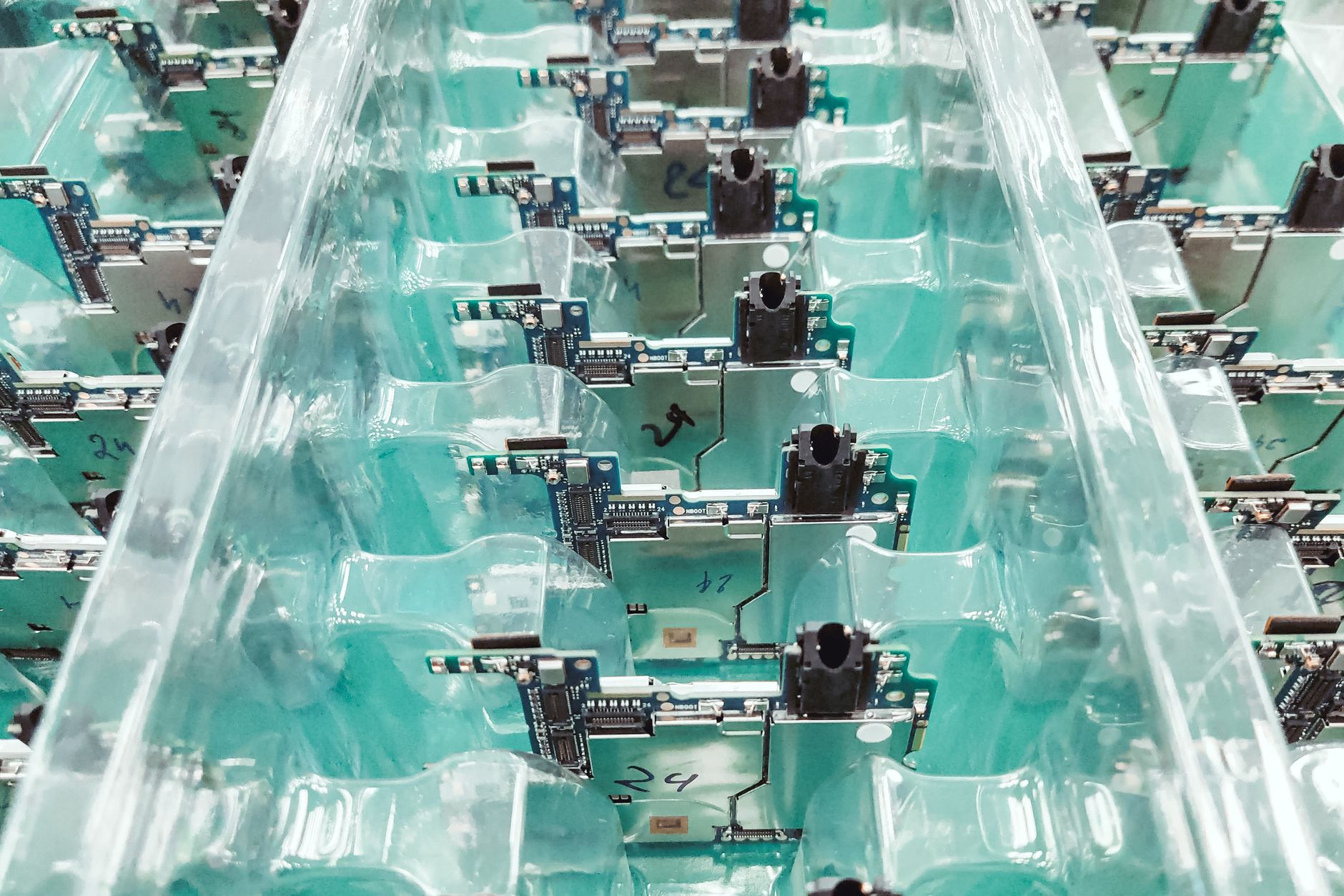
Photo by Andrey Matveev on Pexels