
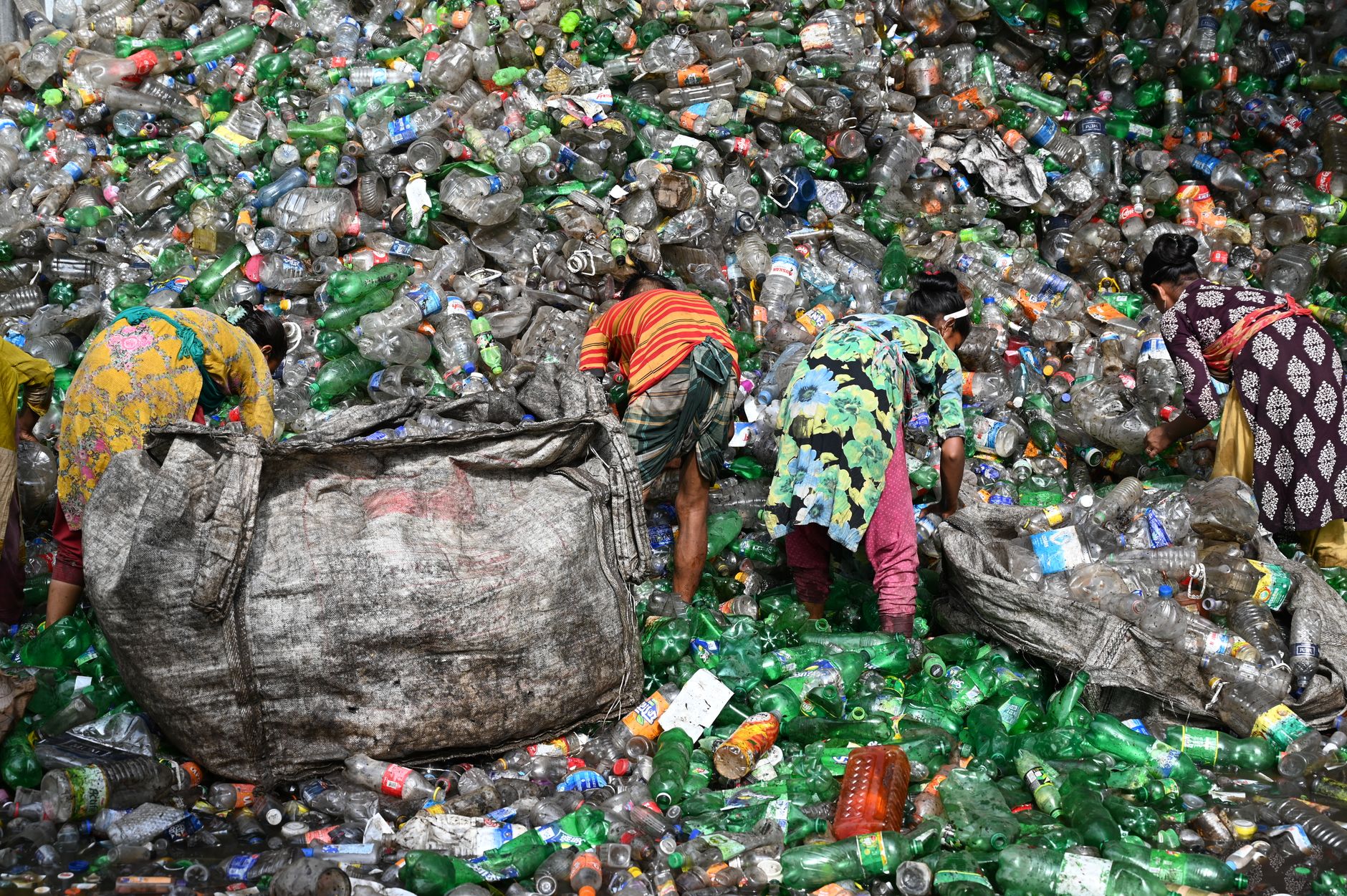
Recycling economy tech is becoming increasingly important in today’s world. Egypt’s Bekia has successfully raised $765k to enhance its innovative recycling solutions.
Understanding Recycling Economy Tech
The concept of recycling economy tech is gaining traction as businesses and governments seek sustainable growth solutions. This innovative approach focuses on utilizing advanced technologies to enhance recycling processes, reduce waste, and promote circular economy principles.
By integrating technology into recycling operations, companies can improve efficiency and effectiveness. Key components of recycling economy tech include:
- Smart Sorting Systems: These systems use artificial intelligence and machine learning to identify and separate recyclable materials more accurately, significantly increasing recovery rates.
- Blockchain for Transparency: Implementing blockchain technology ensures traceability of materials, fostering trust among stakeholders and encouraging responsible recycling practices.
- Data Analytics: Leveraging big data enables companies to forecast recycling trends, optimize logistics, and streamline operations, ultimately leading to cost reductions and increased productivity.
- Consumer Engagement Tools: Apps and platforms designed to educate and motivate consumers about recycling initiatives can enhance participation and foster a culture of sustainability.
As seen in recent developments, such as Egypt’s Bekia raising $765k to scale its recycling economy tech, the potential for growth and innovation in this sector is significant. Embracing these technologies not only benefits the environment but also opens new economic opportunities.
The Role of Technology in Recycling
In recent years, the integration of technology in the recycling sector has become essential for fostering a sustainable recycling economy. Innovative solutions are revolutionizing how materials are processed, collected, and reused, leading to significant advancements in environmental conservation.
One of the key areas where technology has made an impact is in the sorting and processing of recyclable materials. Automated sorting systems utilize artificial intelligence and machine learning to enhance the efficiency of material separation. This ensures that higher quality recyclables are recovered, minimizing contamination rates and improving overall recycling outputs.
Moreover, technology facilitates better tracking and management of waste. Smart waste management systems leverage IoT devices to monitor waste levels in real time, optimizing collection routes and reducing operational costs. This not only improves the efficiency of recycling processes but also contributes to reduced carbon emissions.
Another significant aspect is the development of mobile applications that encourage community engagement in recycling programs. These platforms provide users with information on local recycling facilities, guidelines for proper disposal, and rewards for participation, thereby promoting a culture of recycling.
As such, the role of technology in the recycling economy is not just about enhancing operational efficiency; it is about creating a sustainable future where resources are conserved, waste is minimized, and communities thrive through informed participation.
Bekia’s Innovative Approach to Recycling
Bekia, an Egyptian startup, is making significant strides in the recycling economy tech sector by offering innovative solutions that bridge the gap between waste management and sustainable growth. Founded with the vision of transforming the recycling landscape in Egypt, Bekia leverages advanced technology to enhance the efficiency of waste collection and processing.
One of Bekia’s key innovations is its mobile app, which connects waste generators with recyclers. This platform allows individuals and businesses to easily schedule pickups for recyclable materials, ensuring that valuable resources do not end up in landfills. By incentivizing recycling through the app, Bekia encourages community participation and raises awareness about the importance of waste segregation.
Moreover, Bekia employs cutting-edge sorting technology to improve the quality of recycled materials. This tech-driven approach not only optimizes the recycling process but also ensures that the end products meet industry standards, making them more appealing to manufacturers.
Bekia’s commitment to sustainability has attracted attention and funding, with a recent $765,000 investment aimed at scaling operations. As the company grows, it aims to expand its services beyond urban areas, reaching underserved communities and further promoting the principles of the recycling economy tech.
- Mobile app connecting waste generators with recyclers
- Incentivizes community participation
- Advanced sorting technology for quality recycling
Funding and Investment in Sustainability
Funding and investment in sustainability have become crucial for advancing recycling economy tech. Innovative startups like Bekia are attracting significant financial support, which enables them to enhance their operations and expand their reach. Recently, Bekia raised $765,000, a testament to the growing interest in solutions that promote recycling and environmental responsibility.
The influx of capital can be attributed to several factors:
- Increased Awareness: As global concerns about waste management and climate change rise, investors are seeking opportunities that align with sustainable practices.
- Government Support: Various governments have started to incentivize investments in green technologies, providing grants and subsidies that encourage innovation in recycling economy tech.
- Market Demand: There is a growing consumer demand for sustainable products, pushing companies to adopt more efficient recycling processes and technologies.
Investment in startups like Bekia not only supports their mission but also contributes to a larger movement towards a circular economy. As these companies scale their operations, they create job opportunities, drive technological advancements, and promote environmental sustainability. Ultimately, the right funding can propel these initiatives, making a significant impact on the recycling landscape.
Challenges Facing the Recycling Industry
The recycling industry faces a multitude of challenges that hinder its growth and effectiveness in contributing to a sustainable economy. One of the primary issues is the lack of efficient sorting technologies, which leads to contamination in recyclable materials. This contamination diminishes the quality of recycled products and reduces their marketability.
Additionally, the infrastructure for recycling varies significantly from region to region, creating disparities in recycling rates and access to necessary facilities. In many areas, residents may not have convenient access to recycling bins or collection services, which can discourage participation in recycling programs.
Another challenge is the fluctuating market demand for recycled materials. As global markets evolve, prices for recycled materials can become unstable, affecting the financial viability of recycling businesses. This uncertainty complicates investment decisions and hampers the growth of recycling economy tech.
Moreover, public awareness and education about recycling practices play a critical role in the industry’s success. Many consumers may not fully understand which materials are recyclable or how to prepare them for recycling. This lack of knowledge can lead to improper disposal and increased waste.
In summary, addressing these challenges is essential for fostering a robust recycling economy tech that can drive sustainable growth and minimize environmental impact.
Future Trends in Recycling Technology
As the global emphasis on sustainability continues to grow, the future of recycling economy tech appears promising. Innovations in technology are expected to significantly enhance the efficiency and effectiveness of recycling processes, paving the way for a circular economy.
One of the most notable trends is the integration of artificial intelligence (AI) and machine learning in sorting and processing recyclables. These technologies allow for improved identification of materials, reducing contamination rates and increasing the quantity of recoverable resources. Furthermore, advanced robotics are being employed to automate sorting facilities, which can lead to faster processing times and lower operational costs.
Blockchain technology is also emerging as a key player in the recycling industry. By providing transparency and traceability in the supply chain, blockchain can help ensure that recycled materials are sourced responsibly and efficiently. This technology could facilitate better partnerships between businesses and recycling facilities, fostering a more collaborative approach to waste management.
Additionally, the development of new materials that are easier to recycle is on the horizon. Innovations in biodegradable plastics and other sustainable materials will likely reduce the dependency on traditional recycling methods, thereby enhancing the overall recycling economy tech landscape.
As these trends unfold, stakeholders must remain proactive in adopting these advancements to drive sustainable growth in the recycling sector.
Photo by Mumtahina Tanni on Pexels