
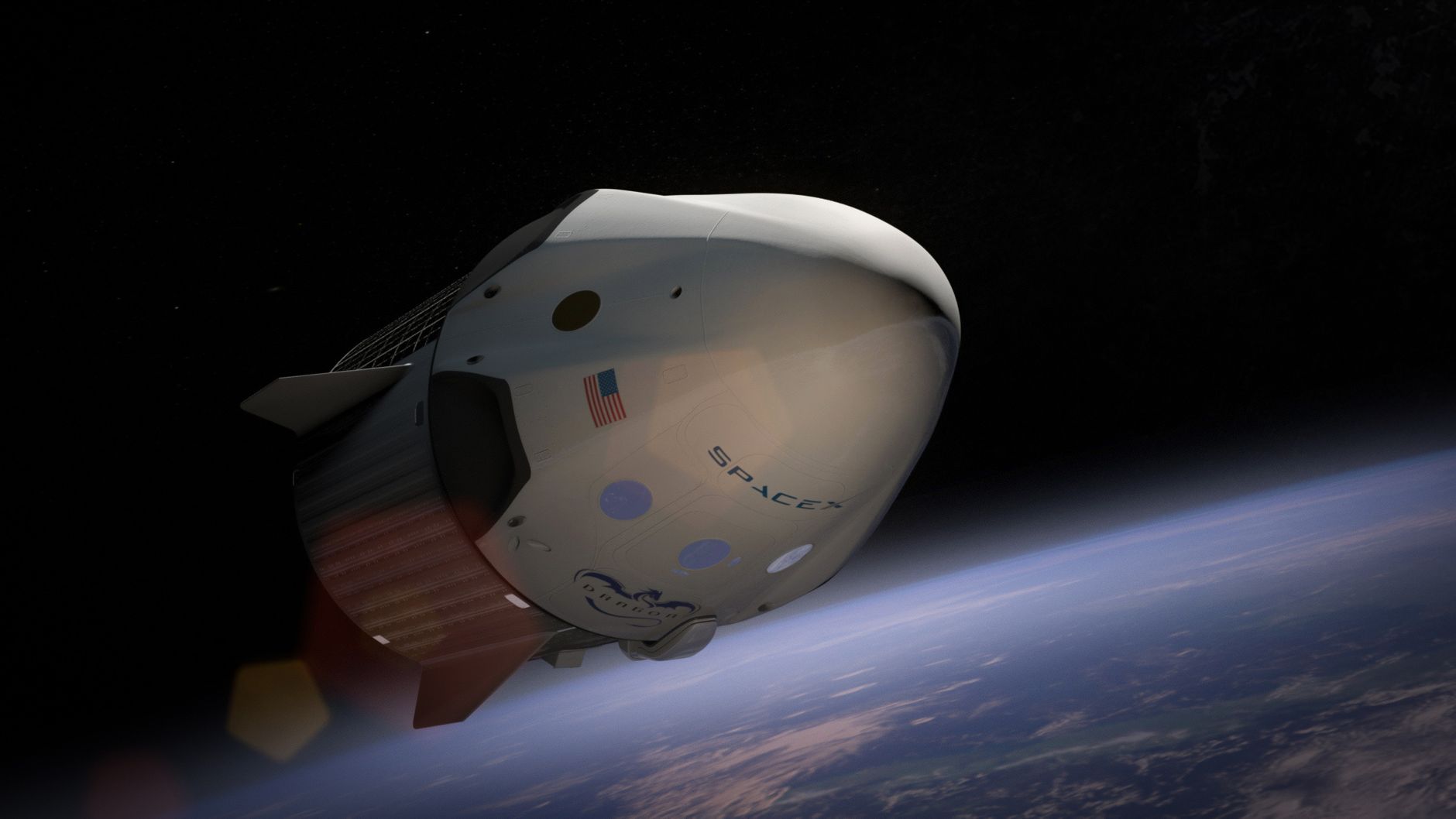
astronauts return to Earth after 8 months in space, concluding a remarkable journey aboard the International Space Station. Their return highlights the advancements in space exploration and human resilience.
Overview of the Astronauts’ Mission
After an extensive journey of eight months aboard the International Space Station (ISS), four astronauts have successfully returned to Earth. Their mission was marked by significant scientific advancements and international collaboration.
The astronauts, part of a diverse crew representing multiple nations, conducted numerous experiments focused on various fields, including biology, physics, and technology. Their work aimed to enhance our understanding of life in space and to pave the way for future exploration missions to Mars and beyond.
Throughout their time in orbit, the crew faced various challenges, including adapting to microgravity and managing the psychological effects of long-duration space travel. They engaged in regular physical exercise to maintain their health and monitored their mental well-being through scheduled communications with family and support teams.
As they re-entered the Earth’s atmosphere, the astronauts experienced a brief period of intense heat and pressure, a testament to the challenges of returning from space. The successful landing marks a significant milestone not only for the astronauts but also for the ongoing efforts to expand human presence beyond our planet. Their safe return to Earth reinforces the importance of space exploration and international cooperation in achieving ambitious goals.
Key Achievements During the Space Mission
During their remarkable journey, the astronauts achieved several significant milestones that contributed to scientific knowledge and international cooperation.
- Conducting Experiments: The crew successfully conducted over 250 experiments, focusing on areas such as biotechnology, materials science, and human health. These experiments aimed to improve life on Earth and prepare for future long-duration space missions.
- International Collaboration: The mission fostered collaboration among various space agencies, enhancing partnerships between NASA, ESA, and other global entities. This teamwork exemplified the spirit of unity in exploring the cosmos.
- Educational Outreach: The astronauts engaged with students worldwide through live Q&A sessions, inspiring the next generation of scientists and explorers. Their efforts emphasized the importance of STEM education.
- Maintenance and Upgrades: The crew successfully performed critical maintenance on the International Space Station (ISS), ensuring its continued functionality for future missions. Their work included upgrading systems and conducting routine inspections.
As these astronauts return to Earth, their contributions will undoubtedly pave the way for future explorations and advancements in space technology.
What the Astronauts Experienced in Space
The astronauts return to Earth marks the conclusion of an extraordinary journey filled with scientific discoveries and personal challenges. During their eight months in space, the crew experienced a remarkable range of physical and psychological effects.
Living in microgravity, they often reported:
- Physical Adjustments: Astronauts faced muscle atrophy and bone density loss, requiring them to engage in daily exercise routines to maintain their health.
- Psychological Challenges: The isolation and confinement of space led to stress and anxiety, but the crew utilized various coping mechanisms, including communication with family and friends back on Earth.
- Scientific Discoveries: They conducted numerous experiments that aimed to advance our understanding of human biology in space, which could have implications for future long-duration missions.
- Team Dynamics: The importance of teamwork was emphasized, as the crew relied on each other for support and problem-solving throughout their mission.
As they prepare for their return journey, these experiences will undoubtedly shape their perspectives and contributions to future space exploration.
Future of Human Space Travel
The return of the astronauts to Earth marks not only the end of their eight-month journey but also a significant milestone in the future of human space travel. As nations and private companies ramp up their efforts to explore beyond our planet, the successful return of these astronauts demonstrates the viability of long-duration missions.
Experts believe that this mission will pave the way for future explorations, including potential journeys to Mars and beyond. The data collected during their time in space will be invaluable in understanding the effects of prolonged weightlessness on the human body.
As space agencies look to expand their missions, several key factors will be crucial:
- Health and Safety: Ensuring astronauts remain healthy during extended missions is a top priority.
- Technological Advancements: New technologies in spacecraft design and life support systems are essential.
- International Collaboration: Joint missions can enhance resources and expertise.
With astronauts returning to Earth and sharing their experiences, the insights gained will not only inspire future explorers but also shape the next generation of space travel.
As the astronauts return to Earth, they reflect on their incredible journey and the experiments conducted in microgravity. The mission’s success is a testament to the rigorous training and preparation that ensured the astronauts return to Earth safely.
Photo by SpaceX on Pexels
Where this came from
Is Spending Elon Musk’s Money the Best Investment Strategy? · New Map Reveal: The Best Trailer Insights from Chained Together · Digital Infrastructure Bill: Clear Guidelines for Data Centres