
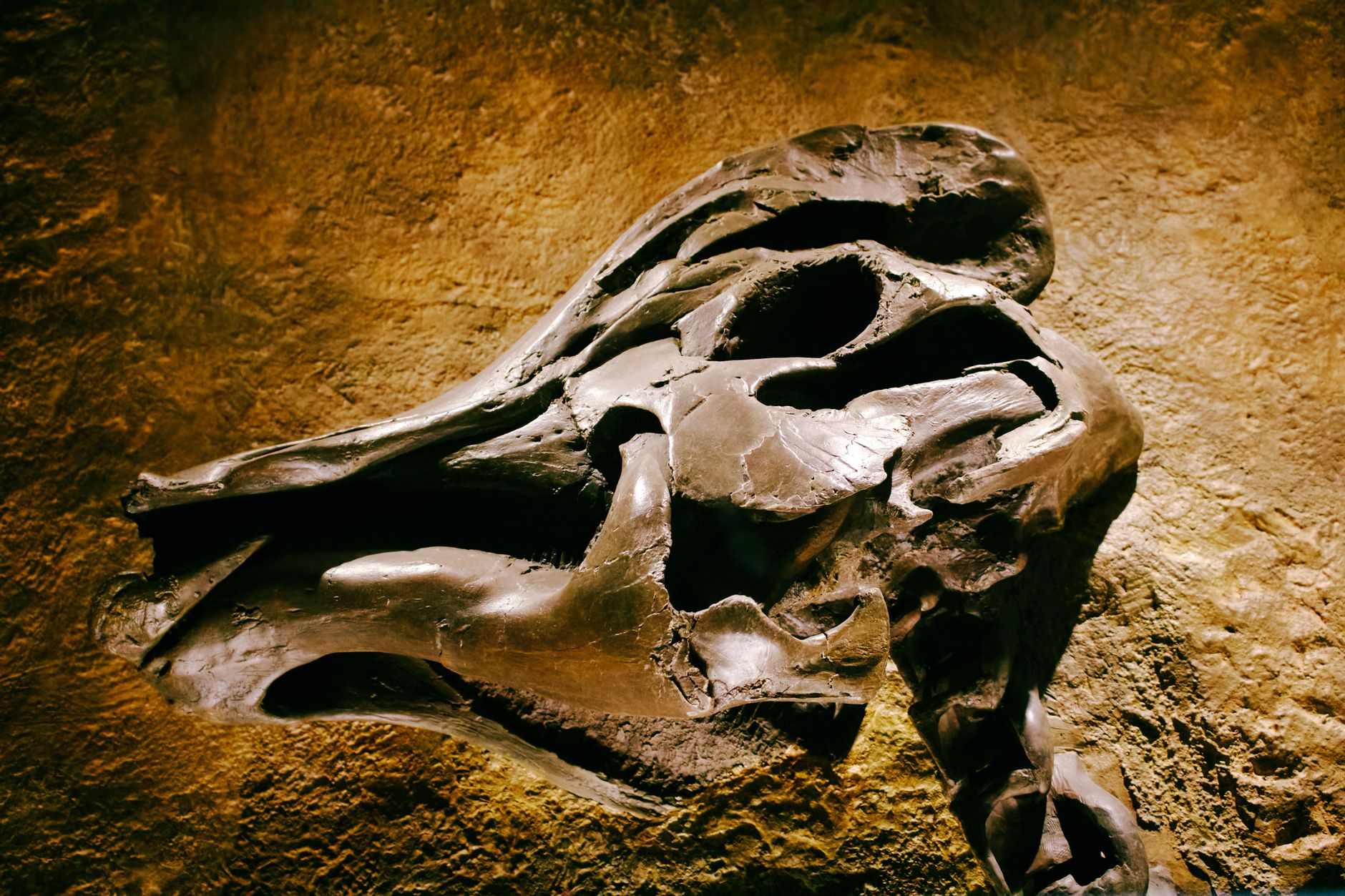
The prehistoric life discovery has unveiled a new treasure map that may indicate where Earth’s lost prehistoric life could be hiding. This exciting finding opens new avenues for scientific exploration.
What is the new treasure map?
A groundbreaking study has unveiled a new treasure map that pinpoints locations where Earth’s lost prehistoric life may be hiding. This map is a significant tool for paleontologists and researchers eager to uncover the secrets of our planet’s distant past.
The new treasure map utilizes advanced technology and data analysis techniques to identify regions that have yet to be thoroughly explored. These areas are believed to hold untold fossils and remnants of prehistoric life that have eluded discovery for centuries.
Key features of the treasure map include:
- Geological Surveys: The map highlights geological formations that are rich in potential fossil deposits.
- Previous Discoveries: It incorporates data from past discoveries to guide future explorations.
- Environmental Factors: The map considers climate and environmental changes that may have affected fossil preservation.
This innovative approach not only enhances our understanding of prehistoric life but also fosters excitement within the scientific community about what may still be uncovered.
How does it reveal lost species?
The recent discovery of a new treasure map is poised to revolutionize our understanding of prehistoric life. This innovative tool highlights areas where lost species may still be hidden, providing researchers with a clearer direction for their explorations.
By analyzing geological data and fossil records, scientists can now pinpoint specific locations that are likely to yield significant findings. This not only enhances our knowledge of past biodiversity but also sheds light on the evolutionary processes that shaped these organisms.
As researchers embark on expeditions guided by the map, they hope to uncover:
- Fossilized remains of species previously thought to be extinct.
- Evidence of ecosystems that existed millions of years ago.
- Insights into climate changes that impacted prehistoric life.
The potential to reveal lost species is exciting, as it may provide crucial information about the history of life on Earth and how it has adapted over time. Each discovery contributes to our ongoing quest to understand the planet’s ancient past.
Importance of prehistoric life
The importance of prehistoric life cannot be overstated, as it offers profound insights into the Earth’s history and the evolution of species. Understanding these ancient ecosystems helps scientists reconstruct past climates and how life adapted to changing environments. The recent prehistoric life discovery sheds light on the intricate web of life that existed millions of years ago, highlighting the interconnectedness of species and their habitats.
Moreover, studying prehistoric life can inform current conservation efforts. By learning about the factors that contributed to the extinction of past species, researchers can better understand the threats facing modern biodiversity. This knowledge is crucial in developing strategies to protect endangered species and preserve ecosystems.
Additionally, such discoveries can spark public interest in science and paleontology. They encourage educational initiatives and foster a sense of curiosity about our planet’s history. As scientists continue to analyze the new treasure map, the potential for uncovering more prehistoric life adds excitement to the ongoing exploration of our planet’s past.
Future research directions
As researchers delve deeper into the implications of the recent prehistoric life discovery, several future research directions emerge. Scientists are particularly interested in:
- Advanced excavation techniques: Utilizing cutting-edge technology and methods to unearth fossils and other biological materials that could lead to a better understanding of ancient ecosystems.
- Genetic analysis: Investigating the DNA of preserved specimens to unlock secrets about species that have long been extinct, providing insights into their biology and evolutionary history.
- Climate change studies: Examining how past climate shifts affected prehistoric life, which may offer valuable lessons for current biodiversity and conservation efforts.
- Public engagement: Raising awareness about the importance of these discoveries, which not only enrich our knowledge but also inspire future generations to value and protect natural history.
This comprehensive approach to the prehistoric life discovery will pave the way for groundbreaking findings, enhancing our grasp of Earth’s biological past and guiding conservation strategies for the future.
Uncovering the secrets of our planet’s past, the prehistoric life discovery has led researchers to seek out the best treasure map that could guide them to significant fossil sites. As they delve deeper into this prehistoric life discovery, the excitement of finding ancient remains drives their quest for knowledge.
Photo by James Lee on Pexels
References
Related reading
Is Pre-Order GTA 6 the Best Choice for Gamers? · Is the open-source app for meeting notes the best tool? · Google Gemini Healthcare: The Best AI Model for Patients